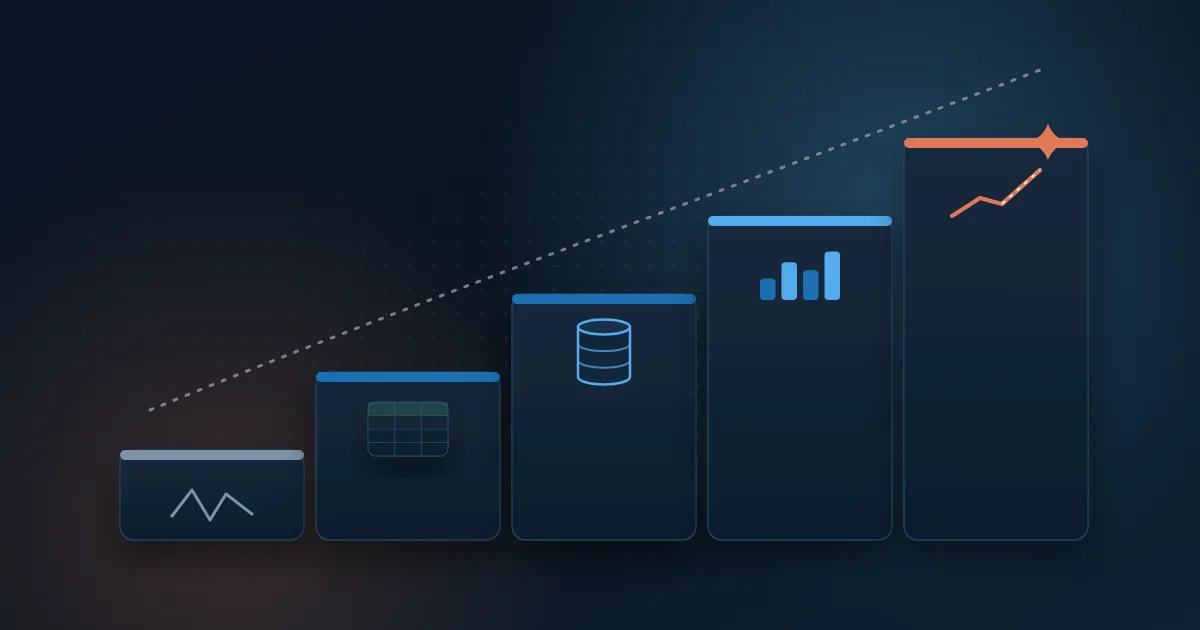
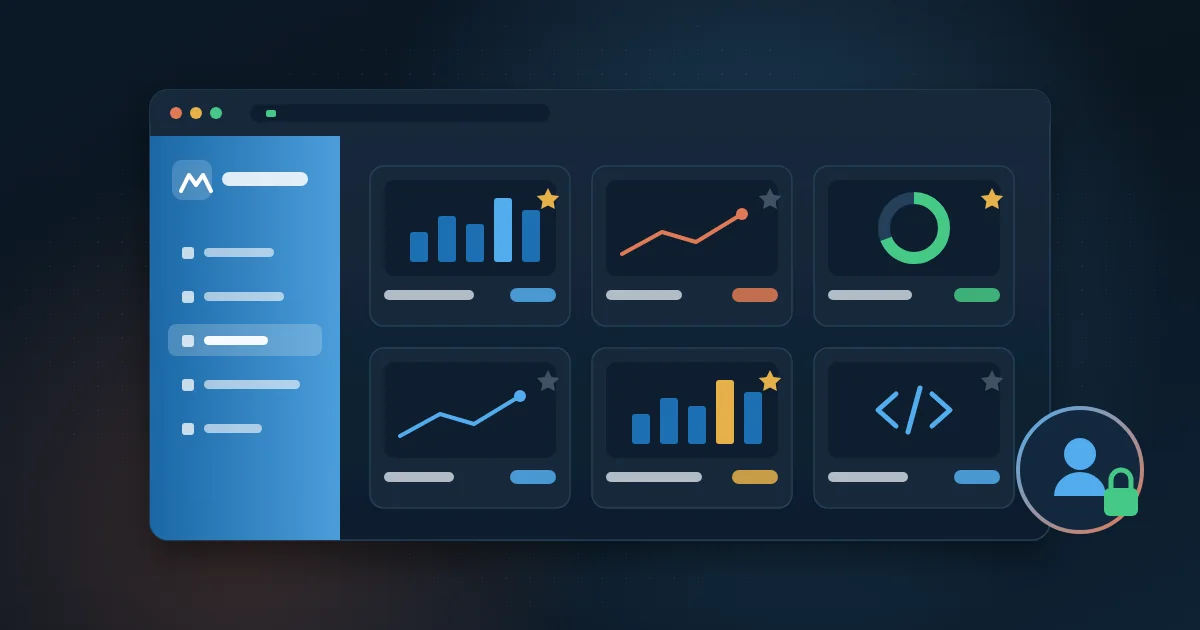
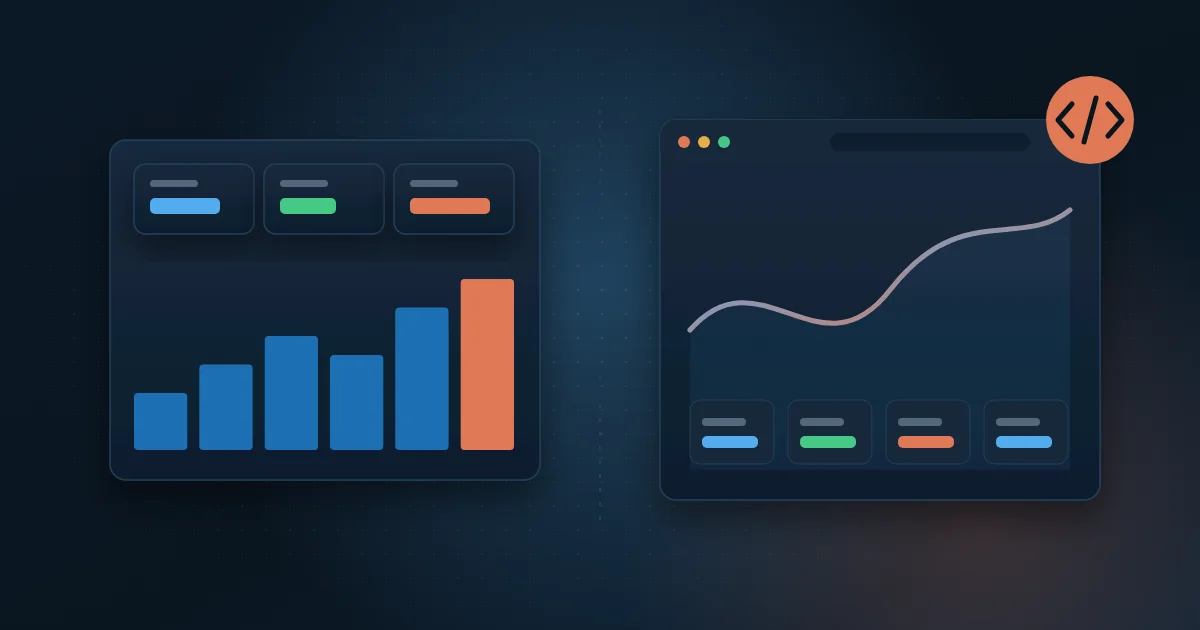
The manager of the future decides with data, not gut feeling
Data-driven decision making: how the manager's role changes, the prerequisites, how to start and the common mistakes. Decide with data, not gut feeling.
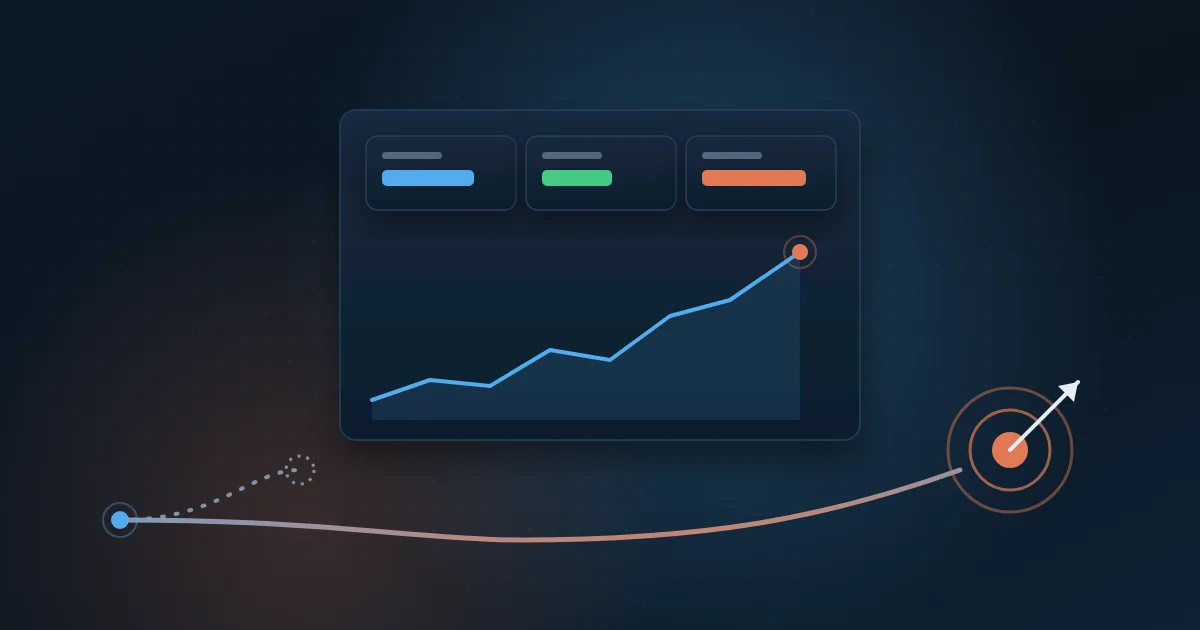
In short
- Data-driven decision making means choosing what to do based on reliable, up-to-date indicators, not only on the manager's perception or experience.
- The main obstacle to managers deciding with data is rarely a lack of talent: it is data scattered across disconnected systems and reports built by hand.
- Three prerequisites support data-driven management: data integrated across areas, near real-time visibility and reliable data, with a single definition and a structured process.
- To start, list the operation's recurring decisions, set a few indicators for each one, automate data collection and turn the weekly meeting into a dashboard review.

McKinsey found that only 25% of middle managers' time is spent on strategic work.
The other 75% goes to operational tasks: compiling reports, resolving inconsistencies, approving processes that could be automated.
The problem isn't a lack of talent. It's a lack of organized data to work with.
What has changed in the manager's role?
For years, a good manager was someone with sharp intuition, who knew the operation by heart and knew where to push when something went wrong.
That profile still has value. But it's no longer enough.
The 2026 market moves at a speed intuition can't keep up with. By the time a manager senses a problem by gut feel, the data could have anticipated the decision days earlier.
The difference between the manager who leads and the one who puts out fires is, more and more, the quality of the data that feeds decisions.
Three concrete changes in the role of the data-driven manager
1. From compiler to analyst
A manager who spends Monday collecting data from three different systems to build the weekly report isn't doing strategic work. It's manual work.
The data-driven manager has the dashboard ready when Monday arrives. They spend their time analyzing, not compiling.
What changes: the team stops being a producer of data and becomes a consumer of data.
2. From reactive to predictive
Reactive management is putting out fires. Predictive management is seeing the fire before it starts.
With integrated data and real-time visibility, the manager spots deviations before they become problems, trends before they become crises, and opportunities before competitors see them.
What changes: decisions stop being based on 'it seems that' and start being based on 'the data shows that'.
3. From people manager to orchestrator of data and people
With automation and AI increasingly present in operations, the manager of the future doesn't just manage a team. They manage the ecosystem: which processes are automated, what data is being generated, how information flows between systems and people.
What changes: technical leadership becomes as important as people leadership.
Why do most managers still operate the old way?
It's not resistance to change. It's a lack of structure.
When data is scattered across five systems that don't talk to each other, when the report depends on someone compiling it by hand, when there's no real-time visibility, the manager has no choice: they operate with what they have.
The problem isn't the manager. It's the data infrastructure behind their decisions.
What needs to change before the manager can change?
Three prerequisites for a manager to truly operate with data:
• Integrated data: billing, operations, tax and finance need to speak the same language in the same dashboard
• Real-time visibility: a report that takes 2 days to be ready doesn't help with today's decision
• Reliable data: a dashboard nobody believes doesn't change behavior. Trust in data comes from a well-structured process
When these three elements are in place, the manager stops putting out fires and starts preventing them.
How to start making data-driven decisions
You don't need to transform the whole company at once. The safest path is to start with one area, prove the value and then expand.
A practical five-step roadmap:
- List the recurring decisions: what you decide every week or every month, such as purchasing, staff scheduling, targets and collections priorities
- Set a few indicators per decision: three to five, each with a written formula, a source and an owner
- Map where each number comes from: ERP, CRM, spreadsheets or the customer service platform, and what still depends on someone copying and pasting
- Automate data collection and build the dashboard around the decision, not around what is easy to show
- Create the routine: the weekly meeting starts with the dashboard, and every decision made is recorded to be reviewed later
The last step is the one that changes behavior the most. A dashboard that doesn't become part of the routine turns into one more forgotten report. When the meeting starts from the data, the discussion moves away from opinions and toward the cause of the deviation and the next action. Over time, reviewing the recorded decisions shows which indicators really help and which ones can leave the dashboard.
Common mistakes in data-driven management
Many companies invest in BI and keep deciding on gut feeling. It almost always comes down to one of these mistakes:
- Starting with the tool: choosing the software before knowing which decisions it needs to support
- Measuring everything: building a dashboard with dozens of indicators that nobody can read in five minutes
- Indicators without a single definition: each area calculates margin or productivity its own way, and the meeting turns into a debate over which number is right
- Looking only backward: tracking just the closed month's results, with no leading indicators, such as pipeline, backlog or queue, that show the deviation while there is still time to act
Deciding with data also doesn't mean discarding experience. Data without context leads to wrong decisions just as much as gut feeling without data. The best use of intuition is to raise hypotheses. Data confirms or rules out each one before action is taken.
Does your team spend more time producing data or using it?
If the answer is producing, your operation's data structure is still holding back your team's potential.
Wolkee organizes the foundation, connects the systems and delivers the visibility managers need to make decisions with data, not gut feeling.
Tell us about your situation. Wolkee knows how to unlock it.
Frequently asked questions
What is data-driven decision making?
It is the process of choosing what to do based on measured facts, not only on perception or experience. In practice, the manager defines the indicators that matter for each decision, tracks those numbers in a reliable, up-to-date source and uses the results to prioritize actions, correct deviations and assess whether the decision worked.
What are the benefits of making data-driven decisions?
The main benefits are speed, consistency and predictability. With integrated, up-to-date data, the manager spots deviations earlier, spends less time building reports and discusses causes instead of opinions. Decisions are recorded and can be reviewed, which makes it possible to learn from what worked and what didn't and to align areas around the same numbers.
Which tools support data-driven decision making?
BI tools such as Power BI and Tableau, or custom web dashboards, are the layer the manager sees. Behind them, you need an organized database, fed automatically by the ERP, the CRM and other systems, using SQL, Python or Microsoft Fabric. Without that foundation, the tool just shows the same inconsistent data faster.
What is a data-driven manager?
A data-driven manager uses data as the main basis for deciding, tracking results and guiding the team. They set a few indicators per goal, trust a single, up-to-date source and spend their time analyzing deviations, not building reports. Experience still matters, but it comes in as a hypothesis to be tested, not as the final answer.